Process of Vermicomposting: Earthworm and Vermi Khad Guide
A plain vermicomposting guide: bedding, feed, worms, moisture, harvest signs and the small mistakes that make compost smell.
By Sarvada Farm Team
From Sarvada Organic's farm team, based on small-batch vermicompost production and Indian balcony-garden support since 2018.
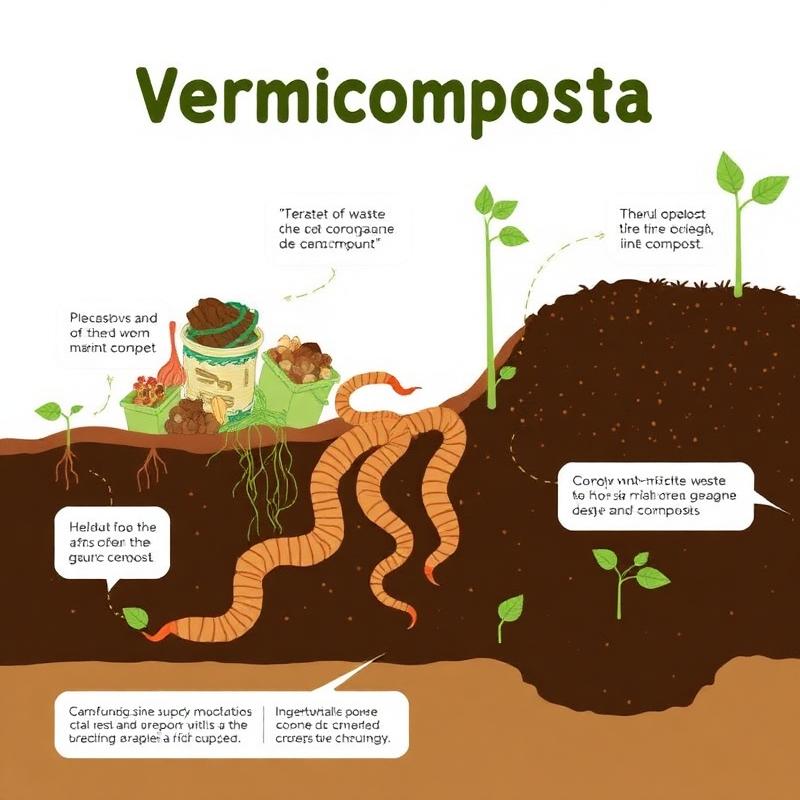
Vermicomposting is simple in theory: earthworms eat soft, partly decomposed waste and leave behind dark, crumbly vermi khad. The part people rush is the part that matters: shade, moisture, air, gentle feed and the right composting worms.
Think of a vermicompost bed like a quiet kitchen. Cow dung and plant waste are the ingredients. Microbes begin the cooking. Earthworms finish the meal by digesting the soft material and leaving behind castings that plants can use gently.
At Sarvada, we care most about the slow middle part: the bed must stay cool, moist and alive long enough for the castings to mature before they ever reach a plant pot.
PDF-style summary
Process of vermicomposting step by step
| Step | What happens | Beginner check |
|---|---|---|
| 1. Choose a shaded place | The bed stays cool and protected | No direct afternoon sun or rain flooding |
| 2. Prepare bedding | Dry leaves, cocopeat or old compost create a soft home | Bedding feels damp, not dripping |
| 3. Pre-compost the feed | Cow dung and plant waste cool down before worms enter | No sharp heat or ammonia smell |
| 4. Add earthworms | Composting worms move through the soft feed | Worms stay inside instead of escaping |
| 5. Maintain moisture and air | Microbes and worms keep working | Material feels like a squeezed sponge |
| 6. Stop feeding before harvest | The bed becomes uniform and dark | Very little original waste is visible |
| 7. Sieve and cure | Castings become cleaner and easier to use | Texture is crumbly, earthy and cool |
Which earthworm for vermicompost?
Do not dig random garden worms and expect them to live in a compost box. Many deep-soil worms prefer mineral soil, not a shallow organic waste bed. Vermicomposting uses surface-feeding compost worms that stay active in rich organic material.
Oklahoma State Extension and Oregon State Extension both discuss red worms for worm composting. In India, many vermicompost units also use fast-composting species such as red wigglers and African nightcrawlers, depending on local climate and availability.
| Question | Good sign | Warning sign |
|---|---|---|
| Are they composting worms? | Seller mentions vermicompost culture | Seller only says earthworms from soil |
| Are they active? | Worms move away from light and stay moist | Dry, weak or dead worms in the box |
| Is bedding included? | Worms arrive with moist compost bedding | Worms arrive bare in a plastic bag |
| Is the local climate suitable? | Seller gives heat and moisture guidance | No advice for Indian summer or monsoon |
What to feed the worms
Worms do not want fresh, hot waste. They want soft, partly decomposed material. For farms, that often means pre-composted cow dung and plant waste. For home bins, use small amounts of chopped vegetable peels, crushed dry leaves and old compost.
- Good: vegetable peels, fruit peels, tea leaves and dry leaves.
- Good: cow dung only after it cools and loses sharp smell.
- Avoid: meat, oil, dairy, salty food and spicy cooked leftovers.
- Avoid: plastic, glossy paper, diseased plant material and pesticides.
Moisture, air and shade matter more than speed
A healthy vermicompost bed is moist, airy and cool. If it gets dry, worms slow down. If it gets waterlogged, the bed smells and air disappears. If it gets hot, worms move away or die.
The best moisture analogy is a squeezed sponge. When you press the bedding, it should feel damp but not release a stream of water. If it smells rotten, mix in dry leaves or cocopeat and reduce feeding for a few days.
How to know vermi khad is ready
- It is dark brown to black.
- It smells earthy, not sour or like ammonia.
- It feels crumbly and cool.
- Original waste pieces are mostly gone.
- Water does not turn it into sticky clay.
Common vermicomposting mistakes
| Problem | Likely cause | Fix |
|---|---|---|
| Bad smell | Too much wet food or poor air | Add dry leaves, stop feeding and loosen the top |
| Worms escaping | Heat, acidity, dryness or fresh manure | Cool the bed, moisten lightly and remove strong feed |
| Ants in the bed | Too dry | Moisten bedding and place bin legs in water cups if needed |
| Fruit flies | Food exposed on top | Bury peels under bedding and avoid overfeeding |
| Sticky compost | Too much fine material or poor curing | Dry slightly, sieve and cure before packing |
Sarvada note
To see why maturity matters in pots, read the Sarvada no-silt water test. When your compost is ready, use the vermicompost quantity guide or compare ready-to-use pure vermicompost packs.
Frequently asked questions
The process of vermicomposting includes preparing bedding, adding partly decomposed organic waste, introducing composting earthworms, maintaining moisture and shade, then harvesting mature worm castings.
Composting worms such as red wigglers are commonly used because they live in rich organic material near the surface. Buy worms from a vermicompost culture supplier instead of digging random garden worms.
Yes. Vermi khad usually means vermicompost or worm castings used as organic fertilizer for plants.
This article is written like a PDF-style checklist: bedding, feed, worms, moisture, shade and harvest. You can use the tables as a quick beginner guide.
Small beds often take around 45-90 days depending on feed, weather, worm activity and moisture. Harvest only when the material is dark, crumbly and earthy.
Do not add fresh hot cow dung directly with worms. Let it pre-compost and cool first so ammonia and heat do not harm the worms.
Try Sarvada Organic
Pure vermicompost from ₹249 · Lab N 3.16%
No silt, no preservatives. Free delivery above ₹499 and Cash on Delivery on Amazon.
Buy on Amazon